




Understanding the Value of EdTech in Higher Education
The education technology (EdTech) industry has grown rapidly in last decade. While some companies have modest valuations, others have achieved significant financial success. This disparity reflects investors’ varying beliefs in a company's ability to generate long-term value. However, understanding how EdTech truly creates value for students, educators, and institutions remains an evolving discussion.
The Role of User-Generated Data in EdTech
What Is User-Generated Data?
User-generated data refers to the digital traces we leave while engaging with EdTech platforms. This includes activities like keyboard strokes, mouse movements, clicks, and periods of inactivity. EdTech companies use this data to enhance their platforms and deliver personalized learning experiences.
How EdTech Utilizes User-Generated Data?
Unlike tech giants like Google and Facebook, EdTech companies do not primarily rely on advertising revenue. Instead, their value lies in using technology to improve learning outcomes for students and operational efficiency for institutions. For example:
-
Data-Driven Improvements: Platforms analyze user engagement to identify which content is effective and which needs replacement.
-
Personalized Learning: Machine learning algorithms adapt content delivery based on students' responses, improving comprehension and engagement.
Feedback Loops: Enhancing Learning Outcomes
What Are Feedback Loops?
Feedback loops in EdTech refer to the process where user actions generate data that is captured, analyzed, and used to create tailored interventions. These interventions, in turn, generate new data, creating a continuous cycle of improvement.
Examples of Feedback Loops
-
Long Feedback Loops: A group of students engages with assigned readings on an online platform. Data shows that one text is underutilized. The platform replaces it with a more engaging text in the following semester.
-
Short Feedback Loops: A student struggles with a quiz generated by the platform. Based on their answers, the system recommends additional resources or sections to re-read.
These loops automate processes that previously relied on human effort, enabling scalability and cost efficiency.
Scalability and Economies of Scale in EdTech
Automation is key to scaling EdTech platforms. By decoupling feedback loops from manual labor, companies reduce costs while improving service quality. The more users engage with these systems, the more precise the learning algorithms become, further enhancing the platform’s value.
For example, platforms like Coursera and Khan Academy leverage data from millions of learners to continuously refine their content and delivery methods, ensuring that the learning experience becomes increasingly effective.
The Human Connection in EdTech
While technology plays a significant role, it is essential to evaluate the human relationships mediated by EdTech platforms.
-
Balancing Automation with Human Interaction: While automation enhances efficiency, certain aspects of education, such as mentorship and emotional support, require human involvement.
-
Ethical Considerations: Decisions about which learning relationships to prioritize should align with the institution's core values. For example, when is it appropriate for technology to replace traditional teaching methods, and when is human interaction indispensable?
The Future of EdTech in Higher Education
Governments and institutions worldwide are recognizing the transformative potential of EdTech. With increased adoption, platforms are expected to:
-
Deliver cost-effective solutions for both students and educators.
-
Enhance accessibility and inclusivity through cloud-based and mobile technologies.
-
Foster personalized learning experiences that adapt to individual needs.
Real-World Examples
-
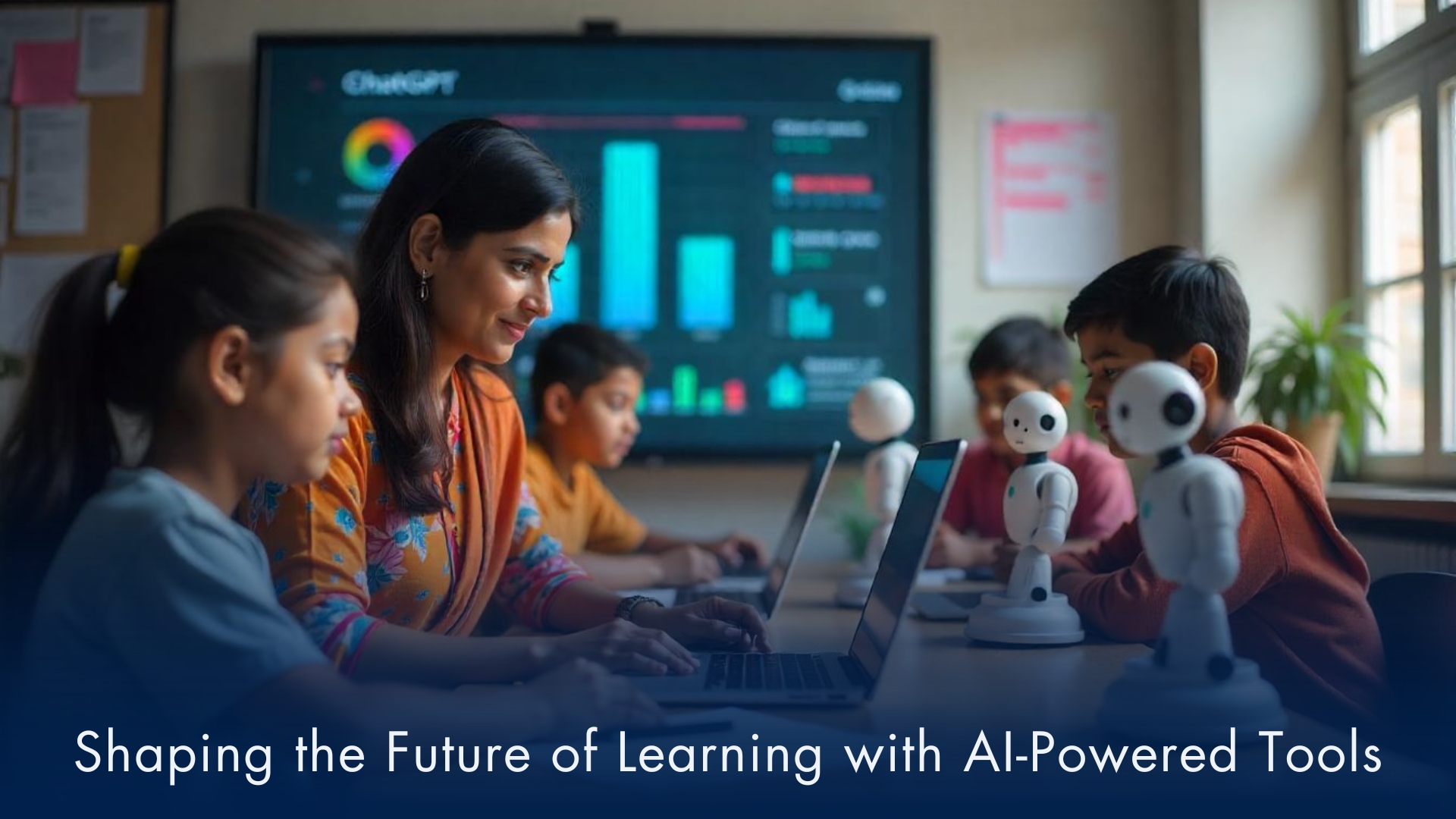
Zoom and Online Collaboration: Platforms like Zoom revolutionized higher education by enabling remote learning, particularly during the pandemic.
-
AI-Powered Tools: Systems like Grammarly and Turnitin provide automated feedback on writing and plagiarism, saving time for instructors while improving student skills.
Conclusion
EdTech is reshaping higher education by mediating relationships between learners, educators, and institutions. Its value lies not only in improving learning outcomes but also in fostering scalable, data-driven solutions that adapt to the evolving needs of the education sector. As we move forward, the focus should remain on striking a balance between technological efficiency and preserving the human aspects of education—ensuring that the future of learning is both innovative and inclusive.
To explore how EdTech solutions like eQOURSE can support your institution’s unique needs, visit our website. Dive deeper into similar topics by reading more blogs from eQOURSE and discover how we are transforming education for the better.















.jpg)







 important in Edtech)